
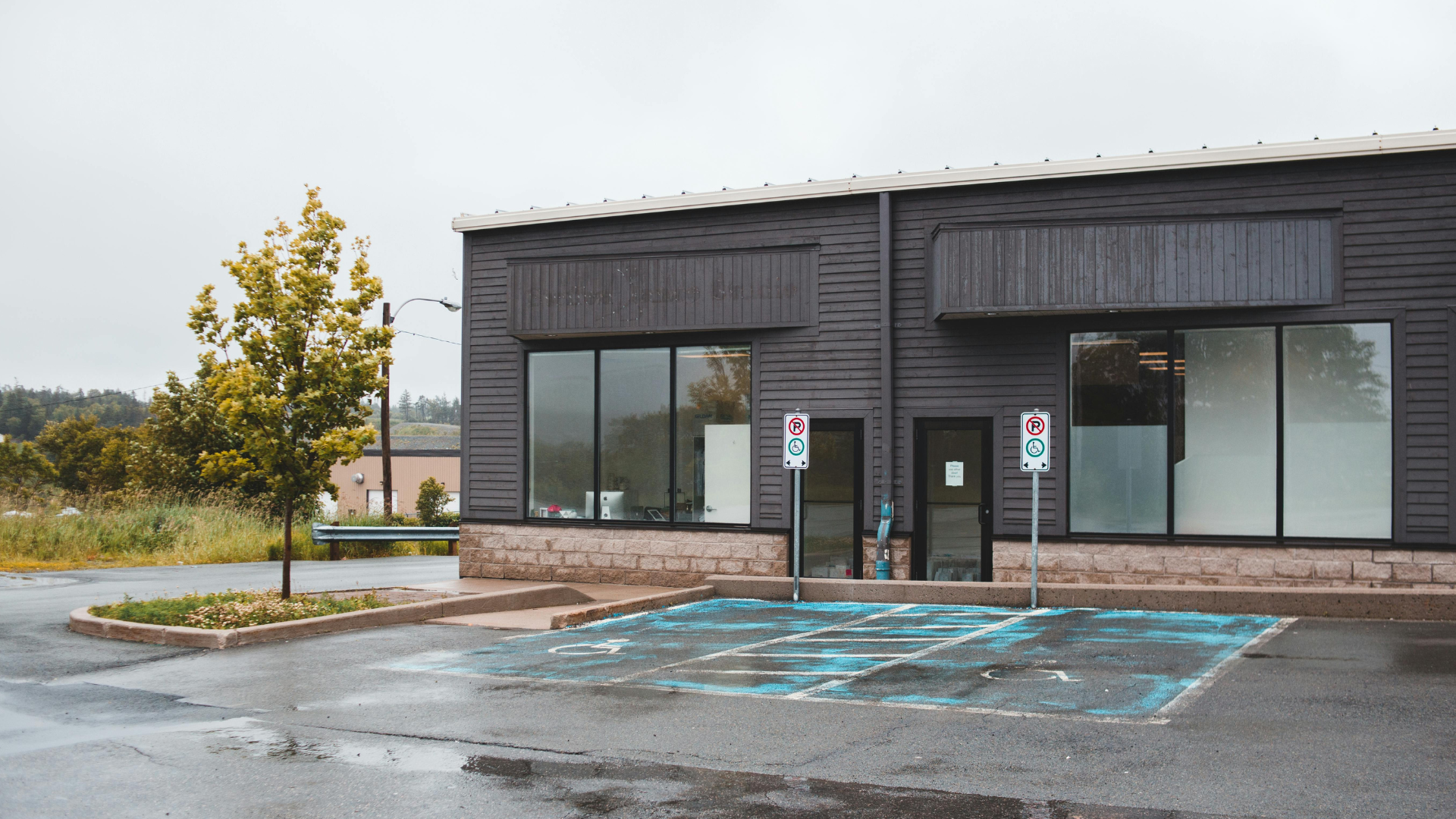
A roof leak hidden above ceiling tiles. An HVAC system that’s working harder than it should. A parking lot crack that allows water to reach the foundation. A water leak that quietly increases utility costs month after month.
Commercial buildings rarely experience catastrophic failures without warning. More often, they provide subtle signs that something needs attention.
The challenge is recognizing those signs before they become major repairs.
That’s where proactive building management creates value.
Rather than waiting for equipment to fail or problems to disrupt tenants, proactive management focuses on identifying issues early, planning improvements thoughtfully, and making informed decisions that protect the property’s long-term performance.
The Cost of Waiting
Every commercial property owner has faced the temptation to postpone maintenance.
Budgets are tight.
Occupancy may fluctuate.
Other priorities demand attention.
Sometimes delaying a project is the right business decision.
However, deferred maintenance often comes with hidden costs that don’t appear on the current budget.
Emergency repairs frequently cost more than planned maintenance.
Equipment that operates inefficiently consumes more energy.
Unexpected failures can interrupt tenant operations and damage relationships.
In some cases, postponing a relatively small repair shortens the life of an entire building system.
The question isn’t simply, “Can we wait?”
It’s, “What will waiting cost us?”
Preventive Maintenance Creates Predictability
One of the greatest benefits of preventive maintenance is that it replaces uncertainty with planning.
Instead of reacting to emergencies, owners gain a clearer understanding of how building systems are performing and when future investments are likely to be needed.
Routine inspections provide valuable information about:
- HVAC performance
- Roofing conditions
- Electrical systems
- Plumbing infrastructure
- Fire and life safety systems
- Parking areas
- Exterior building components
- Common areas
This information supports better budgeting, better scheduling, and fewer surprises.
For commercial property owners, predictability is often just as valuable as cost savings.
Capital Planning Is Part of Good Property Management
Every commercial building will require major improvements over time.
Roofs wear out.
Mechanical systems age.
Parking lots need resurfacing.
Technology evolves.
The goal isn’t to avoid these investments.
The goal is to prepare for them.
A thoughtful capital improvement plan allows owners to prioritize projects, forecast future expenses, and coordinate improvements in a way that minimizes disruption to tenants and business operations.
Rather than reacting to failures, owners can make strategic decisions based on long-term property goals.
Tenant Experience Matters
Building performance isn’t measured only by mechanical systems.
It’s also measured by the experience of the people who use the property every day.
Comfortable temperatures.
Reliable elevators.
Well-maintained common areas.
Responsive communication.
Clean, attractive landscaping.
These details influence tenant satisfaction more than many owners realize.
When tenants feel confident that a property is professionally managed, they are more likely to renew leases, recommend the property to others, and view the building as a positive place to do business.
Data Helps Owners Make Better Decisions
Modern commercial buildings generate more information than ever before.
Energy usage.
Water consumption.
Equipment performance.
Maintenance history.
Repair frequency.
This data helps identify trends before they become problems.
For example, an increase in utility usage may indicate equipment operating inefficiently.
Frequent service calls may signal that replacement is becoming more cost-effective than continued repairs.
Good property management combines experience with data to support better decision-making.
Looking Ahead
Commercial properties continue to evolve.
Building technology improves.
Tenant expectations change.
Municipal regulations are updated.
Electric vehicle infrastructure is expanding throughout California.
Owners who plan ahead are often better positioned to adapt to these changes without unnecessary disruption or unexpected expense.
Proactive management isn’t about predicting the future perfectly.
It’s about preparing for it thoughtfully.
Conclusion
The strongest-performing commercial properties rarely rely on good fortune.
They benefit from consistent planning, preventive maintenance, informed decision-making, and a commitment to protecting long-term value.
Proactive building management doesn’t eliminate every challenge.
It helps owners address those challenges before they become larger, more expensive problems.
In commercial real estate, that’s often one of the best investments an owner can make.