Sacramento Commercial Property Management
Sustainable, hands-on commercial property management for Sacramento property owners: protecting value today and planning for what comes next.
Real Opportunity, Growing Complexity
Owning commercial property in the Sacramento region brings real opportunity, along with growing complexity.
Rising operating costs, evolving sustainability requirements, tenant expectations, aging building systems, vendor management, preventative maintenance, and long-term capital planning all affect how a property performs and what it is worth.
Clear Blue Commercial provides Sacramento commercial property management with a hands-on, strategic approach. We work to protect property value, improve operational performance, strengthen tenant relationships, and help owners make informed decisions about their assets.
We believe effective management goes far beyond answering maintenance requests and collecting rent. It means:
Understanding the buildingKnowing the tenantsManaging vendors carefullyCatching problems before they become expensiveFinding ways to reduce operating costsHelping owners think ahead
Our property managers pair day-to-day oversight with a broader view of how each decision affects financial performance, environmental impact, tenant experience, and long-term value.

Eight Ways We Help
What Sacramento Owners Get
Whether you are a property owner, asset manager, investor, business, or public-sector organization, our goal is straightforward: manage the property today while protecting its performance and value for tomorrow.
Property and Facility Management
Day-to-day oversight of the building, its systems, and its operations, managed as one connected picture.
Preventative Maintenance
Consistent attention to building systems to extend equipment life and reduce costly emergencies.
Tenant Relationships
Direct, face-to-face communication that supports tenant satisfaction and retention.
Vendor Management
Careful scoping, proposal review, and oversight, so you know what you are paying for.
Budgeting and Reporting
Clear financial information that shows how the property is performing, and why.
Capital Planning and Projects
Anticipating major expenditures and coordinating improvements from scope to completion.
Sustainability and Efficiency
Practical improvements that can reduce waste, control costs, and strengthen ROI.
Brokerage and Advisory
Leasing and brokerage decisions informed by a deep understanding of the building itself.

Hands-On, Face-to-Face Management
We get to know the properties we manage and the people who occupy them. Walking a property reveals things a spreadsheet, report, email, or work order cannot: how common areas are maintained, signs of wear and tear, landscaping or irrigation problems, and whether a repair was completed properly rather than simply invoiced.
Work-order systems, accounting platforms, and digital reporting make management more efficient, but they do not replace being present at the property.
Tenants notice when their property manager is engaged. Owners notice it, too.
Management That Sees the Entire Asset
A commercial building is more than a physical structure. It is an operating asset with interconnected financial, physical, environmental, and human components, and when one part is neglected, the effects can spread quickly.
An experienced Sacramento commercial property manager looks at the entire property rather than treating each issue as an isolated event: what is happening inside the building, what tenants are experiencing, how vendors are performing, where money is being spent, which systems may need attention next, and where operational improvements could produce measurable savings.
Integrated Services
Sacramento Commercial Property Management Services
Clear Blue Commercial provides integrated commercial real estate and property management services that support the full lifecycle of a commercial asset. Rather than treating property management, facility management, sustainability, leasing, brokerage, and capital improvements as separate functions, we look at how they work together.
Commercial Property Management
Protecting your investment while supporting efficient day-to-day operations.
Depending on the property and your objectives, services may include tenant communication, lease administration, rent collection oversight, vendor coordination, preventative maintenance, inspections, operating budgets, financial reporting, compliance coordination, and long-term planning. The objective is not simply to keep a building running. It is to help the property perform better as an asset.
Commercial Facility Management
Keeping the building itself performing.
A closer focus on the physical operation and performance of the building: building systems, preventative maintenance, repairs, vendor coordination, inspections, safety, resource use, and operational planning. For complex properties or multiple facilities, integrating property and facility management gives a more complete picture of how the building is actually performing.
Sustainable Property Management
Smarter operations, lower costs.
Energy, water, waste, equipment efficiency, transportation infrastructure, and maintenance all affect operating costs and long-term performance.
We incorporate sustainability into management decisions where practical, asking not only how a building can become more sustainable, but where smarter operations can reduce waste, control costs, improve performance, and increase long-term return on investment.
Rooted in the Sacramento Region
The Sacramento commercial real estate market includes office buildings, retail properties, industrial facilities, medical and professional buildings, mixed-use properties, government facilities, and other commercial assets. The region is also home to a significant concentration of government agencies, public-sector organizations, healthcare providers, professional services firms, growing businesses, and established property owners.
Each property type and ownership structure creates different priorities.
There is no single management formula that works for every commercial property.

Why Local Presence Matters
Financial reporting and administrative systems can be handled remotely, but buildings still need people who understand what is happening on the ground. A leaking roof, failing HVAC system, tenant concern, vendor problem, security issue, or unexpected repair cannot be managed from a spreadsheet alone.
Local management also provides context. Relationships with Sacramento-area vendors, contractors, service providers, tenants, and municipalities help owners make faster, better-informed decisions when problems arise, and can surface opportunities before they become obvious on a financial statement.
Communities We Serve
Sacramento
West Sacramento
Rancho Cordova
Elk Grove
Folsom
Roseville
Rocklin
Citrus Heights
We also serve surrounding Sacramento-area communities. Our services in the region include commercial property management, facility management, sustainability consulting, project management, commercial brokerage, leasing, and strategic commercial real estate support. Services and coverage depend on the specific property, location, and owner’s requirements.
Proactive Management and Preventative Maintenance
Proactive vs. Reactive
One of the most important differences between management approaches is whether a property is managed proactively or reactively. Reactive management responds after something goes wrong. Proactive management looks for the early signs that something may go wrong, and that difference can have a significant financial impact.
Reactive
Responds after something goes wrong
Proactive
Looks for the early signs
A small roof issue caught during an inspection may be repaired before water intrusion damages interior spaces. An aging HVAC component may be repaired or replaced before it fails during extreme Sacramento summer temperatures. A pattern of tenant complaints may reveal an operational problem before it affects retention.
Why Preventative Maintenance Matters
Preventative maintenance is one of the most important tools available to a commercial property owner. When building systems are maintained consistently, owners have a better opportunity to extend equipment life, plan future replacements, control repair expenses, and reduce disruptions for tenants.
The specific plan depends on the building, its age, its systems, its use, and the owner’s objectives. What matters is having one.
Without a plan, maintenance decisions gradually become emergency decisions, and emergency decisions are frequently more expensive.
A preventative maintenance plan may include regular attention to:
- HVAC systems
- Roofing and drainage
- Plumbing
- Electrical systems
- Lighting
- Fire and life-safety systems
- Elevators
- Parking areas
- Landscaping and irrigation
- Building exteriors
- Common areas
- Energy and water systems
“Commercial buildings are complex, and unexpected problems happen. The goal is not to eliminate every one of them. It is to reduce avoidable surprises.”
Clear Blue Commercial
Tenants, Vendors, and the People in the Building
Commercial property management is about buildings, but it is also about people. Behind every lease is a business or organization, and behind that business are employees, customers, clients, patients, and visitors who interact with the property every day.
Tenant Experience Is Asset Management
Tenant relationships are sometimes treated as a customer-service function, but they are also an asset-performance issue. Tenants notice whether common areas are maintained, whether repairs happen promptly, whether communication is clear, and whether their property manager is accessible. Those experiences shape how they feel when their lease comes up for renewal.
Turnover can bring vacancy, leasing commissions, tenant improvements, marketing expenses, and lost rental income, which makes retention central to protecting property value. We emphasize direct communication because tenants are often the first to notice changes in a building. When they know their property manager and feel comfortable reaching out, small concerns surface early and can be resolved before they become larger problems.
Vendor Management Is About Value, Not Price
Landscaping, janitorial, HVAC, plumbing, electrical, roofing, security, waste services, pest control, and other vendors all keep a property running. Selecting the lowest bid does not necessarily produce the lowest operating cost.
Effective vendor management weighs quality, reliability, responsiveness, pricing, safety, insurance requirements, communication, and each vendor’s understanding of the property. It also adds accountability: work scoped correctly, proposals reviewed, services completed as promised, and invoices that match the work performed. Over time, strong oversight helps owners understand what they are paying for and what value they receive in return.
An owner may see an expense report. A tenant experiences the building. Both perspectives matter.
Financial Oversight, Capital Planning, and Projects
Financial Oversight
Owners need clear financial information that shows how a property is performing and where attention may be needed. Operating budgets, expense tracking, rent collection, reconciliations, vendor costs, maintenance expenses, and capital expenditures all contribute to that picture.
The numbers tell us what happened. Effective management also asks why it happened and what we can do next. An unexpected jump in utility costs may point to an equipment or operational issue. Rising repair expenses may signal a system nearing the end of its useful life, and recurring service calls may mean continued repairs are becoming less economical than replacement.
Capital Planning
Every commercial property eventually requires significant investment. Roofs need replacement, HVAC systems age, parking lots deteriorate, building systems become outdated, and tenant expectations change. The question is rarely whether a property will need capital improvements. It is when, how much, and how prepared the owner will be.
Capital planning helps owners anticipate major expenditures and prioritize improvements based on urgency, condition, available resources, tenant needs, and potential return on investment. We help identify upcoming needs, gather information, coordinate vendors and contractors, develop budgets, and weigh competing priorities.
Project Management
Even a straightforward improvement can involve contractors, vendors, tenants, schedules, budgets, permits, inspections, building access, insurance requirements, and conditions discovered once work begins. Clear Blue Commercial provides commercial real estate project management to coordinate these moving parts.
That may include defining the scope, obtaining and reviewing proposals, coordinating vendors, monitoring schedules and budgets, communicating with tenants, and overseeing work at the property. It is especially valuable in occupied buildings, where the work needs to get done without unnecessarily disrupting the businesses and people using them.
Sustainability That Strengthens Performance
For Clear Blue Commercial, sustainability is not a separate initiative added onto commercial property management. It is one of the ways we evaluate how a property operates. Buildings consume energy and water, generate waste, require transportation access, and depend on mechanical systems that can lose efficiency over time. Every one of those areas also affects operating expenses, and that creates an opportunity.
The ROI of Sustainable Management
Reducing energy or water consumption can lower operating expenses. More efficient equipment may reduce maintenance and repair costs, better preventative maintenance can extend the useful life of building systems, and property improvements can support tenant satisfaction and help the asset remain competitive. Because savings can continue for as long as an improvement remains effective, they add value year after year, not just once.
That is why we look at sustainability through the broader lens of commercial property ROI and long-term asset performance. Environmental responsibility and financial responsibility do not have to compete. In many cases, they support each other.

Opportunities we may evaluate include:
- Energy-efficient lighting and controls
- HVAC optimization or upgrades
- Water conservation
- Irrigation improvements
- Waste reduction
- Preventative maintenance
- Building-system improvements
- EV charging infrastructure
- Renewable-energy opportunities
- Operational changes that reduce unnecessary resource use
Not every sustainability improvement makes financial sense for every building. Our role is to help owners evaluate the options based on the property, the investment required, available incentives, operating savings, tenant needs, and long-term ownership objectives.
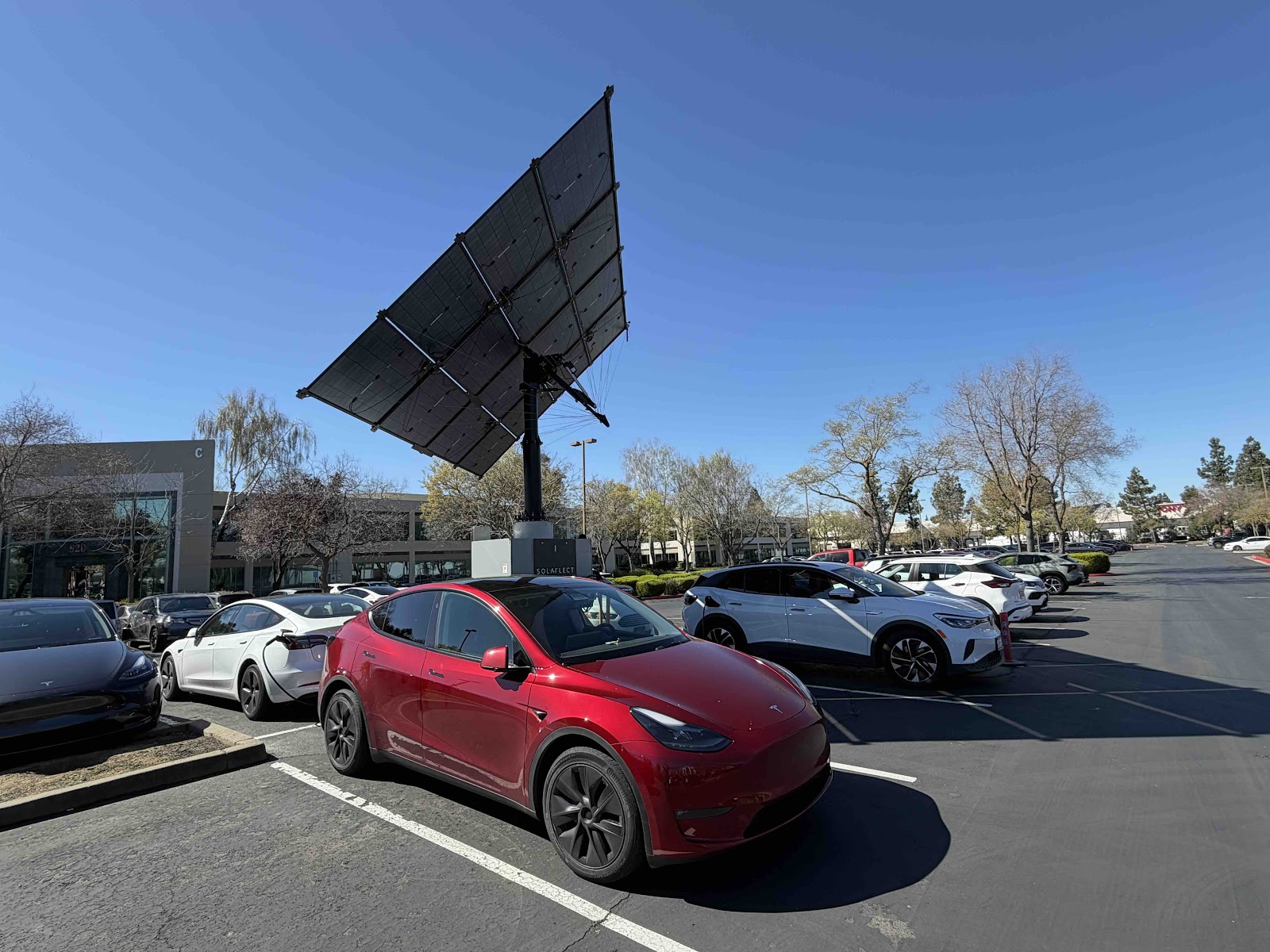
EV Charging for Sacramento-Area Properties
Electric vehicle infrastructure is becoming another consideration for commercial property owners throughout California. For Sacramento-area properties, EV charging can affect tenant amenities, employee transportation, fleet operations, sustainability goals, future property improvements, and long-term capital planning.
Installing EV charging infrastructure involves more than selecting a charger. Owners may need to consider electrical capacity, parking configuration, trenching, permitting, installation costs, utility coordination, charging demand, ongoing maintenance, and future expansion. Some properties may also be candidates for alternative approaches that reduce the need for extensive electrical or site work.
Rather than asking only whether a property needs EV chargers, we ask better questions:
- ? Who will use them?
- ? What infrastructure is already in place, and what will installation require?
- ? What alternatives exist, and what are the operating implications?
- ? How does the investment fit the owner’s long-term plans?
Those answers turn EV charging from a standalone purchase into an informed property decision.
Managing for Today, Planning for Tomorrow
Tenants need responsive service now. Buildings need maintenance now. Owners need financial information now. At the same time, a property may need a new roof in three years, an HVAC replacement next year, improvements to reduce water consumption, upgraded EV infrastructure, or capital improvements to stay competitive in the Sacramento market.
Strong management connects those timelines by continually asking one question:
What does this building need next?
01 | Know the Property
We walk the building, get to know the tenants, and pay attention to the details reports can miss.
02 | Ask Why
We read the numbers in the context of actual building operations to understand why costs are occurring.
03 | Plan Ahead
We prioritize preventative maintenance and capital needs, so owners can prepare instead of react.
04 | Follow Through
We communicate clearly, manage vendors carefully, and verify the work: reliable, responsive, and attentive.
Brokerage, Leasing, and Public-Sector Properties
Commercial Real Estate Brokerage and Leasing
Property management and brokerage are closely connected. A property manager sees how the building performs, what tenants experience, where expenses are rising, which improvements may be needed, and what could affect long-term value. That knowledge matters when an owner is leasing, repositioning, acquiring, or selling.
Clear Blue Commercial provides commercial real estate brokerage and leasing services in the Sacramento region alongside our management services. Depending on your needs, this may include:
- Landlord representation
- Commercial leasing
- Tenant representation
- Property acquisition and disposition
- Market and property evaluation
- Lease strategy
- Coordination between leasing and property operations
When management and brokerage teams communicate closely, leasing decisions draw on a stronger understanding of the building. Prospective tenant requirements may reveal improvements that make the property more competitive, existing tenant feedback may point to amenities that support retention, and planned capital improvements may shape leasing strategy. The property is not managed in one department and leased in another.
It is one asset, and the decisions are connected.
Approved State of California Vendor
Public-Sector Properties
As the capital of California, Sacramento is home to a significant concentration of government agencies, public entities, and organizations serving the public. Public-sector properties may carry specific requirements involving procurement, vendor selection, documentation, accessibility, sustainability, budgeting, reporting, accountability, and long-term stewardship of public resources.
Clear Blue Commercial is an approved vendor for the State of California and brings commercial property management experience together with a strong commitment to responsible building operations and sustainability. For public organizations, that often means balancing several priorities at once: maintaining safe and functional facilities, controlling operating costs, managing vendors responsibly, meeting organizational requirements, improving sustainability, planning for future capital needs, and providing an appropriate environment for employees and members of the public.
The underlying principle is stewardship. Whether a property is privately or publicly owned, its manager is entrusted with an important asset and the resources required to operate it. That responsibility matters.
Why Owners Choose Clear Blue Commercial
Choosing a commercial property management company is ultimately about trust. You are entrusting a company with a valuable asset, your tenant relationships, vendor oversight, operating expenses, maintenance decisions, financial information, and often significant capital projects. Clear Blue Commercial brings together hands-on property management, sustainability expertise, commercial real estate knowledge, and long-term asset thinking.
Reliable
Following through.
Responsive
Communicating and addressing issues promptly.
Attentive
Understanding the property well enough to recognize changes, concerns, and opportunities.
Small Decisions, Lasting Value
Commercial properties represent significant investments, so everyday management decisions matter more than they may first appear. A maintenance decision may affect the useful life of a building system. A vendor decision may affect operating expenses. A tenant-service decision may affect a future lease renewal, a capital-planning decision may determine whether an owner can prepare for a major expense or has to respond to it unexpectedly, and a sustainability improvement may reduce operating costs for years.
No single decision determines the success of a commercial property. It is the cumulative effect of hundreds of decisions made over time. That is why effective property management is not simply an operating expense.
It is part of protecting the asset itself.
The Principles We Work By
- 1Know the property.
- 2Know the tenants.
- 3Pay attention to the details.
- 4Communicate clearly.
- 5Address problems early.
- 6Manage vendors carefully.
- 7Look for opportunities to improve efficiency.
- 8Understand how today’s decisions affect tomorrow’s asset value.
We believe management works best when the owner and property manager operate as partners, so you have someone who understands not only what is happening at the property, but why it matters.
A Different Approach to Commercial Real Estate
Clear Blue Commercial was built around the belief that commercial real estate can create financial value while contributing positively to the people and communities connected to it. Sustainability, financial performance, tenant experience, relationships, transparency, and the long-term health of the property are not separate from how we manage. They influence how every decision is made.
Woman-Owned Business
Certified B Corporation
California Green Business
1% for the Planet Member
Approved State of California Vendor
Better Management Starts With Better Information
You do not have to wait until something goes wrong to take a closer look at how your commercial property is performing. Our complimentary Sustainable Property ROI Audit Kit helps owners identify opportunities involving operations, maintenance, sustainability, tenant experience, and long-term asset performance.
Sacramento Commercial Property Management FAQs
What does a commercial property management company do in Sacramento?
A Sacramento commercial property management company oversees the day-to-day operations and long-term performance of commercial real estate on behalf of the property owner.
Services can include tenant communication, lease administration, rent collection oversight, property inspections, preventative maintenance, vendor management, operating budgets, financial reporting, capital planning, sustainability initiatives, project management, and emergency coordination.
Effective commercial property management goes beyond keeping a building running. It helps owners control operating costs, protect the physical condition of the property, support tenant retention, plan future investments, and protect long-term asset value.
How much does commercial property management cost in Sacramento?
Commercial property management costs in Sacramento vary based on the size and type of property, number of tenants, complexity of the leases, condition of the building, maintenance requirements, financial reporting needs, and scope of services.
For that reason, comparing commercial property management companies based only on a management fee or percentage may not reveal the true financial impact.
Owners also need to consider how effectively the commercial property manager controls operating expenses, manages vendors, identifies maintenance problems, supports tenants, finds sustainability savings, and plans future capital expenditures.
The management fee is one cost. How well the property is managed can have a much larger financial impact.
What is typically included in commercial property management fees?
The services included in commercial property management fees depend on the management agreement.
They may include property inspections, tenant communication, lease administration, rent collection oversight, vendor coordination, preventative maintenance, financial reporting, budgeting, invoice review, emergency response, and owner communication.
Additional services such as major project management, brokerage, leasing, sustainability consulting, or specialized facility management may be structured separately.
Commercial property owners benefit from understanding both the fee and the exact scope of services being provided.
How can a commercial property manager reduce operating costs?
A commercial property manager can help reduce unnecessary operating expenses by reviewing how the property uses resources, maintaining building systems, overseeing vendors, identifying recurring problems, comparing proposals, monitoring utility costs, and planning repairs before they become emergencies.
The commercial property manager can also look for patterns. An increase in electricity use, repeated HVAC repairs, unusual water consumption, or recurring service calls may indicate a larger operational problem.
Identifying the cause rather than repeatedly paying for the symptom can create meaningful long-term savings.
How does sustainable commercial property management save money?
Sustainable commercial property management can reduce costs by identifying unnecessary energy use, water waste, inefficient equipment, maintenance problems, outdated systems, and other areas where resources—and money—are being wasted.
Potential opportunities may include HVAC optimization, energy-efficient lighting and controls, water conservation, irrigation improvements, preventative maintenance, equipment upgrades, and operational changes.
The goal is not to make a property more sustainable at any cost. The goal is to identify opportunities where reducing environmental impact also reduces operating expenses or improves long-term property performance.
What commercial property expenses can sustainability help reduce?
Depending on the property, sustainable commercial property management may help reduce energy, water, maintenance, repair, waste, and other recurring operating expenses.
For example, properly maintained HVAC equipment may operate more efficiently. Correcting an irrigation problem may reduce water consumption. Improved lighting or building controls may reduce electricity use.
Even relatively small recurring savings can become meaningful when they continue month after month and year after year. That is why Clear Blue Commercial considers sustainability part of the property’s financial strategy, not simply an environmental initiative.
How can energy and water efficiency improve commercial property ROI?
Reducing unnecessary energy and water consumption can lower recurring operating expenses. When an efficiency improvement produces ongoing savings, those savings can accumulate throughout the life of the improvement.
However, every project needs to be evaluated individually. Commercial property owners need to consider the initial investment, expected savings, available incentives, maintenance requirements, useful life, ownership timeline, and estimated payback period.
The strongest sustainability investments are often those where environmental improvement and financial performance support each other.
What is the difference between commercial property management and facility management?
Commercial property management typically focuses on the overall operation and financial performance of the property, including tenants, leases, vendors, budgets, maintenance, reporting, and owner objectives.
Facility management focuses more specifically on the physical building, including building systems, equipment, repairs, preventative maintenance, safety, infrastructure, and day-to-day facility operations.
The two functions frequently overlap. Integrating commercial property management and facility management can give owners a more complete understanding of both the financial and physical performance of their property.
How does preventative maintenance protect commercial property value?
Preventative maintenance helps identify building problems before they become larger and potentially more expensive.
Regular maintenance and inspections can help commercial property owners extend the useful life of some building systems, reduce preventable emergency repairs, identify inefficient equipment, and plan future replacements. It also creates information that can improve capital planning.
When an owner knows that an HVAC system, roof, parking area, or other major component is approaching replacement, there is more time to budget, compare options, evaluate efficiency improvements, and make an informed decision.
How can commercial property management improve tenant retention?
Commercial property management can support tenant retention by creating a better experience at the property.
Responsive communication, reliable building systems, well-maintained common areas, timely repairs, clear information, and an accessible commercial property manager all contribute to how tenants experience a building. Strong tenant relationships can also help commercial property managers identify concerns earlier.
Tenant retention matters financially because turnover can create vacancy, lost rental income, leasing commissions, marketing expenses, tenant improvements, and other costs.
How does a commercial property manager help with capital planning?
A commercial property manager can help identify major building systems and improvements that may require future investment.
This can include roofs, HVAC systems, parking areas, electrical infrastructure, plumbing, lighting, building exteriors, sustainability improvements, and other major property components.
Capital planning allows owners to anticipate expenses, establish priorities, gather cost information, compare alternatives, investigate available incentives, and determine how improvements fit into the property’s larger financial strategy. Planning ahead gives owners more options than waiting until a major building system fails.
Can a commercial property manager help evaluate EV charging?
Yes. A commercial property manager can help evaluate EV charging as part of the property’s broader infrastructure, sustainability, and capital plan.
Considerations can include expected demand, tenant and employee needs, electrical capacity, parking configuration, installation requirements, trenching, permitting, utility coordination, available incentives, ongoing maintenance, and future expansion.
Alternative charging approaches may also be appropriate for properties where conventional infrastructure is difficult or expensive. The process begins by understanding what the property needs rather than selecting equipment first.
What types of commercial properties does Clear Blue Commercial manage in the Sacramento region?
Clear Blue Commercial works with a range of commercial properties and commercial real estate needs, which may include office, retail, industrial, medical and professional buildings, mixed-use properties, government facilities, and other commercial assets.
The appropriate commercial property management strategy depends on the property type, tenants, building systems, ownership objectives, and scope of services required.
Does Clear Blue Commercial provide commercial property management for government and public-sector properties?
Clear Blue Commercial works with private and public-sector commercial real estate needs and is an approved vendor for the State of California.
Public-sector commercial property and facility management can involve additional requirements related to procurement, documentation, vendor oversight, accessibility, budgeting, sustainability, accountability, and long-term stewardship of public resources.
The specific services depend on the agency, property, procurement process, and contract requirements.
What areas around Sacramento does Clear Blue Commercial serve?
Clear Blue Commercial provides commercial property management and related commercial real estate services throughout the greater Sacramento region.
The service area includes Sacramento, West Sacramento, Rancho Cordova, Elk Grove, Folsom, Roseville, Rocklin, Citrus Heights, and surrounding Sacramento-area communities.
Specific service availability depends on the property location, property type, and scope of services required.
Why is local commercial property management important in Sacramento?
Commercial buildings require local attention.
A local commercial property manager can visit the property, meet directly with tenants, inspect building conditions, oversee vendors, verify completed work, and respond when issues arise.
Local knowledge can also provide valuable context about Sacramento-area vendors, commercial real estate conditions, climate-related building needs, and regional operating considerations.
Financial reports can tell an owner what happened. Being at the property can help explain why.
What questions should I ask when choosing a Sacramento commercial property management company?
Commercial property owners can ask prospective management companies how they handle preventative maintenance, tenant communication, vendor oversight, financial reporting, property inspections, emergencies, sustainability, capital planning, and owner communication.
One of the most important questions is: Who will actually manage my property?
Owners benefit from understanding the experience, responsibilities, accessibility, and communication style of the people who will have direct responsibility for their asset.
The right commercial property management relationship is about more than hiring a company. It is about knowing who is paying attention to your property.
How do I know if my Sacramento commercial property is being managed efficiently?
Start by looking beyond whether the bills are being paid and repairs are being completed. Ask whether:
- Operating expenses are being monitored for unusual changes
- Energy and water consumption are being reviewed
- Preventative maintenance is happening consistently
- Recurring repairs are being investigated
- Vendors are being evaluated
- Tenants are communicating with management
- Future capital expenses are being anticipated
Efficient commercial property management gives the owner a clearer understanding of what the property costs to operate, why those costs are occurring, and where opportunities for improvement may exist.
That is the difference between maintaining a commercial property and actively managing its performance.
Continue Exploring
Next Level Property and Facilities Management
How integrated property and facility management keeps buildings performing.
Sustainability Consulting and Project Management
Planning and coordinating property improvements from scope to completion.
Sustainable Commercial Property Management in Sacramento
Where sustainability and day-to-day management meet.
Commercial EV Charging Infrastructure
Planning EV charging as part of a long-term property strategy.
Solar EV Charging Solution
An alternative approach that can reduce the need for extensive electrical or site work.
Looking for Commercial Property Management in Sacramento?
If you own or oversee commercial property in Sacramento, West Sacramento, Rancho Cordova, Elk Grove, Folsom, Roseville, Rocklin, Citrus Heights, or the surrounding region, the first step is understanding what your property needs. That may mean improving day-to-day management or addressing deferred maintenance. It may mean reducing operating expenses, strengthening tenant relationships, planning upcoming capital improvements, evaluating sustainability opportunities, or preparing the property for its next stage.
Clear Blue Commercial brings a whole-property approach to Sacramento commercial property management, handling what is happening today while helping you understand what may be coming next. Because the best time to think about the future of a commercial property is before it becomes an emergency.
Commercial Property Management • Facility Management • Sustainability Consulting • Project Management • Commercial Brokerage & Leasing
Clear Blue Commercial
Commercial Property Management for Sacramento and Northern California
Protect the asset. Improve performance. Plan for what comes next.