
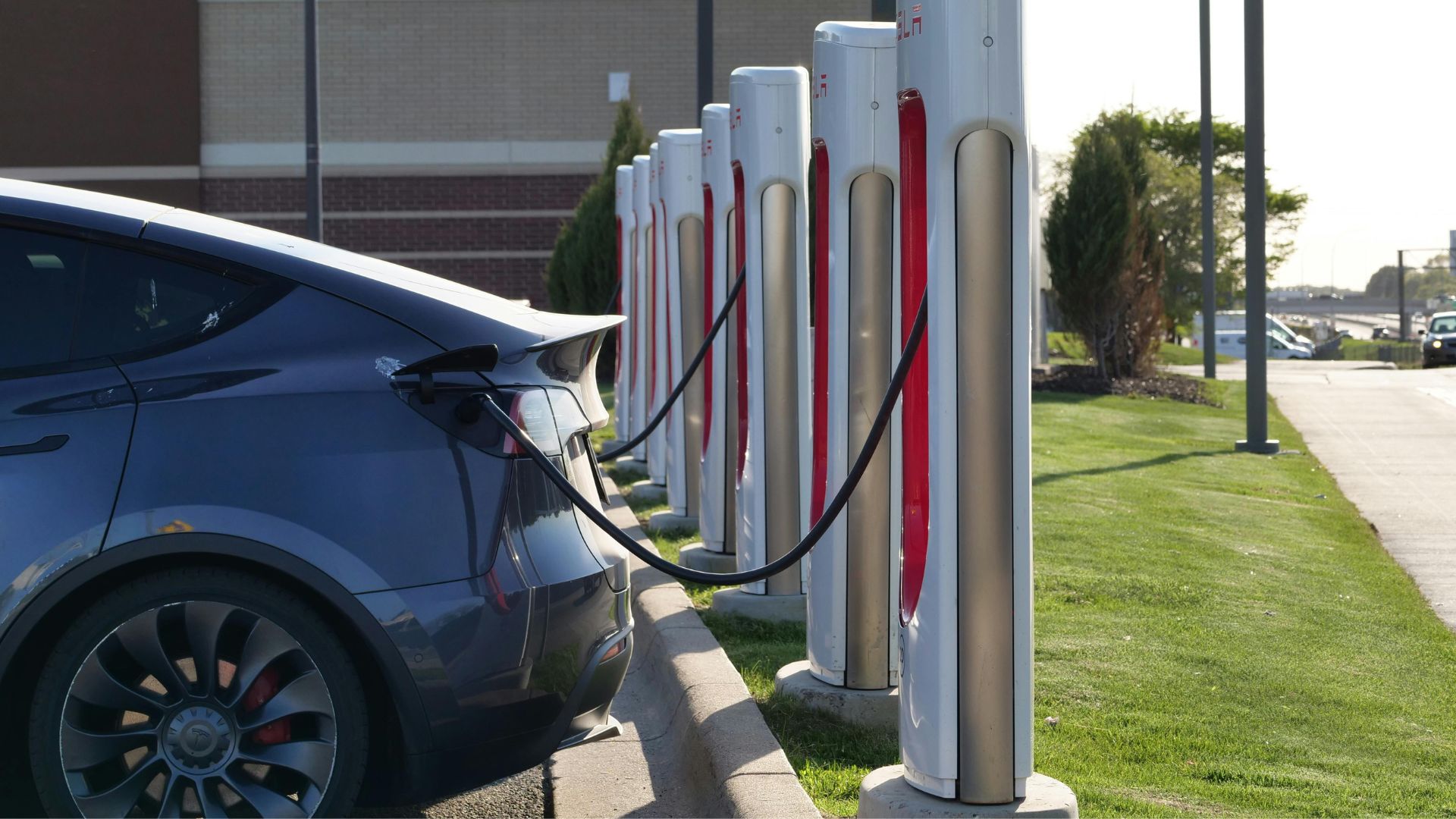
Commercial EV Charging Starts with Planning, Not Equipment
Introduction
When commercial property owners first begin exploring EV charging, one of the most common questions is:
“Which charging stations should we buy?”
It seems like the logical place to start. After all, charging stations are the most visible part of any EV charging project.
But successful projects rarely begin with equipment.
They begin with planning.
Just as you wouldn’t construct a commercial building before completing the architectural plans, you shouldn’t install EV charging infrastructure before understanding how it will support your property’s long-term goals.
The best charging solution isn’t determined by the newest technology or the fastest charger. It’s determined by how well the infrastructure fits your property, your tenants, your operations, and your long-term investment strategy.
Why Planning Comes First
Commercial EV charging affects much more than a parking space.
It can influence:
- Electrical infrastructure
- Parking operations
- Tenant amenities
- Customer experience
- Future capital improvements
- Property maintenance
- Sustainability initiatives
- Long-term asset value
Each of these areas deserves careful consideration before selecting equipment.
When owners begin with planning, equipment decisions become much easier because they’re based on clearly defined objectives rather than assumptions.
Start With Your Property’s Purpose
Every commercial property serves people differently.
An office building operates differently than a shopping center.
A healthcare campus has different needs than a hotel.
An industrial property has different traffic patterns than a mixed-use development.
Those differences should drive the charging strategy.
Ask questions such as:
- Who will use the charging stations?
- How long will vehicles typically remain parked?
- Will charging primarily serve employees, tenants, customers, visitors, or fleet vehicles?
- Could demand change over the next five to ten years?
Understanding how your property functions today—and how it may evolve—creates the foundation for every decision that follows.
Evaluate Existing Infrastructure
One of the most valuable early planning steps is understanding what infrastructure already exists.
This includes evaluating:
Electrical Capacity
Can the existing electrical service support additional charging demand?
Will upgrades be necessary?
Understanding current capacity helps establish realistic project expectations.
Parking Layout
The location of parking areas influences charger placement, accessibility, traffic flow, and future expansion.
A well-planned layout creates a better experience for drivers while minimizing operational disruptions.
Site Conditions
Each property presents unique opportunities and constraints.
Owners should consider:
- Existing utilities
- Landscaping
- Lighting
- Drainage
- Pedestrian access
- Security
- Future construction plans
These factors often influence installation costs more than the charging equipment itself.
Think Beyond Today’s Demand
One of the biggest mistakes commercial property owners can make is planning only for immediate needs.
EV adoption continues to grow, and transportation is evolving.
Even if your property only requires a few charging stations today, it’s worth asking:
- Could demand double within five years?
- Are additional tenants likely to request charging?
- Will fleet vehicles become electric?
- Are future parking lot improvements already planned?
Planning for expansion during the initial project is often far more cost-effective than starting over later.
Charging Is Part of a Larger Property Strategy
Commercial EV charging shouldn’t be viewed as an isolated improvement.
Instead, it should be considered alongside other long-term investments such as:
- Parking lot renovations
- Building modernization
- Electrical upgrades
- Sustainability initiatives
- Capital improvement planning
- Tenant improvement projects
When these efforts are coordinated, owners can often reduce disruption, improve project efficiency, and make better use of available capital.
Commercial EV Charging Starts with Planning, Not Equipment
A Step-by-Step Planning Framework
Every commercial property is unique, but the planning process generally follows the same sequence. Taking the time to work through each step helps reduce surprises and positions the project for long-term success.
Step 1: Define Your Objectives
Before discussing equipment or installation, identify what you want the charging infrastructure to accomplish.
Ask questions such as:
- Are we providing an amenity for tenants?
- Will charging support employees?
- Are customers asking for charging?
- Is fleet electrification part of our future?
- Are sustainability initiatives driving this decision?
- Is this part of a larger property modernization effort?
Clear objectives help determine the most appropriate solution.
Step 2: Evaluate Existing Conditions
Next, evaluate the property itself.
This assessment should include:
- Existing electrical service
- Parking configuration
- Traffic flow
- Site accessibility
- Available space
- Solar exposure (where applicable)
- Opportunities for future expansion
Understanding current conditions allows owners to evaluate multiple infrastructure options before committing to a design.
Step 3: Understand Current and Future Demand
One of the most valuable planning exercises is estimating how charging demand may change over time.
Consider questions such as:
- How many EV drivers currently use the property?
- How many could there be in five years?
- Are major tenants adopting electric fleets?
- Are local municipalities investing in charging infrastructure?
- How is EV adoption changing within your market?
Planning for future demand today often reduces construction costs tomorrow.
Step 4: Evaluate Infrastructure Options
Once property goals and site conditions are understood, owners can begin evaluating infrastructure approaches.
Depending on the property, options may include:
- Traditional grid-connected charging
- Off-grid charging solutions
- Solar-assisted charging
- Battery storage
- Phased implementation
- Future-ready conduit and electrical infrastructure
Rather than asking which technology is “best,” ask which solution best aligns with the property’s long-term goals.
Step 5: Build Charging Into Your Capital Plan
Commercial EV charging should become part of the property’s broader capital improvement strategy.
Owners often coordinate charging projects with:
- Parking lot reconstruction
- Electrical upgrades
- Building renovations
- Tenant improvements
- Sustainability projects
- Site redevelopment
Coordinating projects often improves efficiency while reducing future disruption.
Common Planning Mistakes
Even well-intentioned projects can become more complicated when planning is overlooked.
Some of the most common mistakes include:
Starting with Equipment
Choosing chargers before understanding property needs can result in unnecessary costs and infrastructure changes later.
Ignoring Future Expansion
Planning only for today’s demand often creates more expensive upgrades when additional charging is needed.
Overlooking Electrical Capacity
Electrical limitations can significantly affect project costs, timelines, and available charging options.
Treating EV Charging as a Stand-Alone Project
Charging infrastructure should complement broader property management and capital planning strategies—not compete with them.
Focusing Only on Installation Costs
The initial installation is only one part of the investment.
Owners should also consider:
- Operating costs
- Maintenance
- Energy management
- Future scalability
- Long-term flexibility
A strategic approach evaluates the total lifecycle of the infrastructure rather than just the upfront expense.
The Role of Commercial Property Management
One of the advantages of involving experienced commercial property managers early in the planning process is their understanding of how infrastructure improvements affect the entire property.
Property managers help evaluate how EV charging may influence:
- Daily building operations
- Parking management
- Tenant communication
- Vendor coordination
- Preventive maintenance
- Capital planning
- Long-term asset performance
Rather than viewing charging stations as a separate project, experienced property managers integrate them into the broader operational strategy for the property.
This holistic approach helps ensure that charging infrastructure supports—not disrupts—the overall performance of the asset.
Conclusion
Commercial EV charging is an important investment for many California commercial properties, but successful projects begin long before equipment is installed.
The most effective charging strategies are built on thoughtful planning, careful evaluation of property needs, and a clear understanding of long-term operational goals.
When owners begin with the right questions instead of the right equipment, they position themselves to make decisions that support both today’s needs and tomorrow’s opportunities.
As EV adoption continues to grow, planning ahead provides flexibility, reduces future costs, and helps commercial properties adapt with confidence.