
Commercial Property Management & Commercial EV Charging Infrastructure | California
Helping Commercial Property Owners Protect Their Investments Today While Preparing for Tomorrow
Introduction
Commercial real estate is changing. Rising operating costs, aging infrastructure, increasing regulatory requirements, evolving tenant expectations, and the transition toward electric vehicles are reshaping how commercial properties are owned and managed throughout California.
Today’s commercial property owners face decisions that extend far beyond routine maintenance. Every capital improvement, sustainability initiative, tenant relationship, and operational investment has the potential to influence the long-term performance of a property.
At Clear Blue Commercial, we believe successful commercial property management is about much more than operating buildings. It is about protecting assets, improving performance, and helping owners make informed decisions that support long-term value.
Whether you own a single commercial property or a portfolio of assets, this Knowledge Center is designed to provide practical insights that help you reduce risk, improve operational efficiency, and prepare your properties for the future.
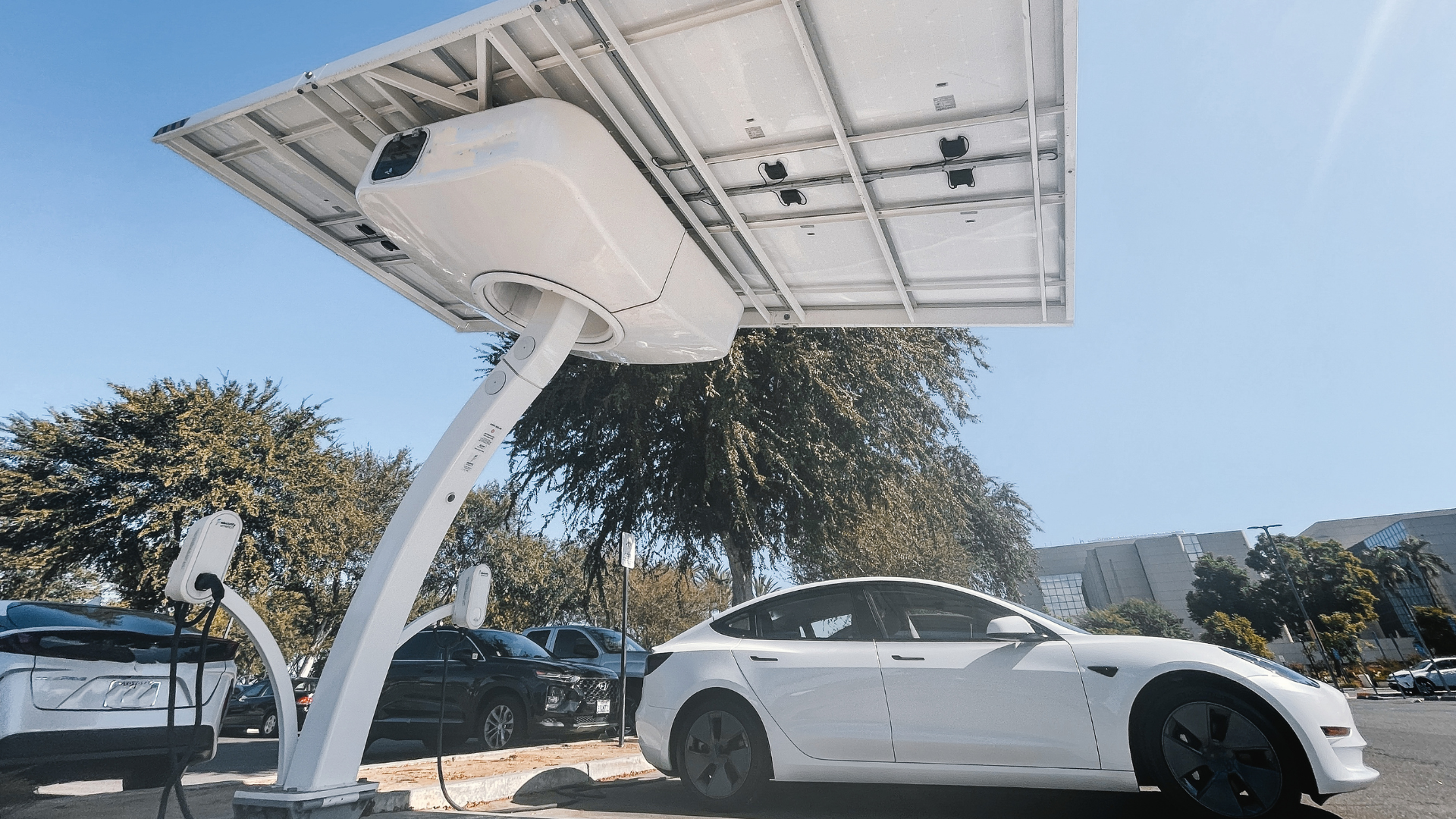
Commercial property ownership has become more complex than ever. Successful properties require more than maintenance—they require strategic planning, proactive building management, sustainability initiatives that deliver measurable value, and thoughtful preparation for future infrastructure such as commercial EV charging. This resource explores the principles and best practices that help California commercial property owners protect investments, improve building performance, and create long-term value.
Why this Matters
Owning commercial property has always involved balancing operating costs, tenant needs, maintenance requirements, and long-term financial performance. Today’s market has introduced additional challenges that require owners to think even more strategically.
Insurance premiums continue to rise. Building systems are aging. Utility costs fluctuate. Sustainability requirements continue to evolve, and businesses increasingly expect modern, efficient buildings that support their employees and customers.
At the same time, commercial property owners are being asked to evaluate new opportunities, including electric vehicle charging infrastructure, energy efficiency improvements, water conservation, and building technologies that were uncommon just a few years ago.
These changes create challenges, but they also create opportunities.
Owners who approach their properties strategically are often better positioned to reduce operating costs, extend the life of building systems, improve tenant satisfaction, and protect long-term asset value.
The objective isn’t simply to respond when something goes wrong.
The objective is to make decisions today that strengthen your investment tomorrow.
Commercial Property Management is More Than Maintaining Buildings
When people hear the term commercial property management, they often picture maintenance requests, vendor coordination, inspections, and rent collection.
Those responsibilities are certainly important, but they represent only part of what successful property management should accomplish.
Every commercial property is a business asset.
Like any investment, it requires planning, oversight, and informed decision-making to perform at its highest potential.
A well-managed property is one where maintenance is proactive rather than reactive, capital improvements are planned before systems fail, operating costs are monitored carefully, and tenant relationships are treated as an important component of long-term financial performance.
These individual decisions may seem routine, but together they shape the future of the property.
Commercial property management is not simply about maintaining buildings.
It is about protecting investments.
Every Decision Has a Long Term Impact
Imagine two nearly identical office buildings located in the same California market.
Both begin the year in excellent condition.
One owner postpones maintenance whenever possible, replacing equipment only after it fails. Capital improvements are delayed, tenant concerns are addressed only when necessary, and operating decisions focus primarily on reducing short-term expenses.
The second owner takes a different approach.
Building systems are inspected regularly. Preventive maintenance is scheduled throughout the year. Capital improvements are planned well in advance, and tenant feedback is treated as valuable information rather than simply another service request.
Five years later, the difference between the two properties is rarely measured by a single repair bill.
Instead, it appears in lower operating costs, stronger tenant retention, fewer emergency repairs, more predictable budgeting, and a property that remains competitive within its market.
The buildings may have started in similar condition.
The management strategy determined where they ended up.
That is why effective commercial property management should always be viewed as an investment strategy rather than simply an operating expense.
Key Takeaways
- Commercial property management is about protecting long-term asset value—not simply maintaining buildings.
- Strategic planning helps reduce risk while improving financial performance.
- Proactive management often leads to lower operating costs and fewer unexpected repairs.
- Every maintenance decision, capital improvement, and tenant interaction contributes to long-term property performance.
- The strongest-performing commercial properties are rarely managed reactively.
The Business Case for Proactive Building Management
Every commercial building ages. Roofs wear over time, HVAC systems lose efficiency, parking lots deteriorate, plumbing systems require repairs, and building technology continues to evolve.
None of these changes happen overnight.
The challenge is that many building systems begin showing subtle signs of decline long before a major failure occurs. A small roof leak, an increase in HVAC service calls, or higher-than-normal water usage may not seem significant on its own. Left unaddressed, however, these seemingly minor issues can lead to larger expenses, operational disruptions, and unnecessary strain on both tenants and budgets.
Proactive building management is about recognizing those signs early and addressing them before they become costly problems.
Instead of asking, “How much will this repair cost today?” experienced property managers ask, “How will this decision affect the property over the next five or ten years?”
That shift in thinking often makes the difference between simply maintaining a building and protecting a long-term investment.
Preventive Maintenance is an Investment
Preventive maintenance is sometimes viewed as an operating expense that can be postponed during challenging financial periods.
In reality, it is one of the most effective ways to protect the value of a commercial property.
Regular inspections, scheduled servicing, and routine maintenance help extend the life of major building systems while reducing the likelihood of emergency repairs. They also provide property owners with better information for budgeting and capital planning.
For example, replacing a worn component during a scheduled maintenance visit is almost always less disruptive—and often less expensive—than responding to a complete equipment failure that affects tenants or business operations.
Preventive maintenance also provides another benefit that is often overlooked.
It creates predictability.
When owners understand the condition of their building systems, they can make thoughtful financial decisions instead of reacting to unexpected emergencies.

Capital Planning Helps Eliminate Surprises
Every commercial property contains building systems that will eventually require repair or replacement.
The question is rarely if they will need attention.
The question is when.
Capital planning allows owners to prepare for those investments rather than being caught off guard.
A thoughtful capital improvement plan considers the anticipated life expectancy of major systems such as:
- Roofing
- HVAC equipment
- Electrical infrastructure
- Plumbing systems
- Fire and life safety systems
- Elevators
- Parking lots
- Exterior finishes
Understanding these timelines helps owners prioritize investments, forecast future expenses, and reduce the financial impact of unexpected failures.
Good planning doesn’t eliminate future costs.
It helps ensure those costs occur on your schedule—not the building’s.
Sustainability Should Improve Business Performance
Sustainability has become an increasingly important part of commercial real estate throughout California.
For many property owners, however, the conversation often begins with regulations or environmental responsibility.
Those are important considerations, but they are only part of the story.
The most successful sustainability initiatives also improve the performance of the property.
Energy-efficient lighting can lower utility expenses.
Water conservation measures can reduce operating costs while supporting California’s long-term water management goals.
Building automation systems can provide better visibility into energy usage and equipment performance.
Improved indoor air quality can contribute to a healthier environment for tenants and visitors.
When evaluated strategically, sustainability is not simply about reducing environmental impact.
It is about improving operational efficiency while supporting long-term asset performance.
Preparing Commercial Properties for the Future
Commercial properties built twenty or thirty years ago were designed for a very different business environment than the one we see today.
Technology has changed.
Tenant expectations have changed.
Transportation is changing.
As electric vehicles become more common throughout California, many commercial property owners are beginning to evaluate whether EV charging should become part of their long-term property strategy.
For some properties, charging stations may enhance tenant amenities or attract future tenants.
For others, they may support employees, visitors, fleet operations, or municipal sustainability initiatives.
The right solution depends on each property’s location, electrical capacity, parking configuration, long-term goals, and anticipated demand.
Commercial EV charging should not be viewed as an isolated project.
It should be evaluated as one component of a broader property management and asset planning strategy.
Just as owners plan for roofing, HVAC replacements, or building renovations, future infrastructure should be considered within the larger context of protecting and improving the property’s long-term value.
Our Approach to Commercial Property Management
At Clear Blue Commercial, we believe successful commercial property management begins with understanding what matters most to each property owner.
Every building has its own history, operating challenges, tenant mix, and investment objectives.
There is no universal management plan that fits every property.
Our role is to help owners make informed decisions by combining proactive building management, operational expertise, sustainability planning, and long-term asset strategy.
That may involve improving maintenance programs, coordinating capital projects, identifying opportunities for greater operational efficiency, supporting tenant relationships, or helping owners evaluate future infrastructure such as commercial EV charging.
The common thread is thoughtful planning.
Because when commercial property management is approached strategically, owners gain more than a well-maintained building.
They gain greater confidence in the long-term performance of one of their most important investments.
Frequently Asked Questions
What is commercial property management?
Commercial property management is the professional oversight of commercial real estate, including building operations, maintenance, tenant relations, vendor coordination, budgeting, and long-term planning. Effective property management helps owners protect their investments while supporting operational efficiency and tenant satisfaction.
How is commercial property management different from asset management?
Property management focuses on the day-to-day operation of a building, while asset management takes a broader view of the property’s long-term financial performance. The two work together. Strong property management supports the asset management strategy by helping reduce operating costs, improve tenant retention, and protect long-term value.
Why is preventive maintenance important?
Preventive maintenance helps identify potential problems before they become major repairs. Regular inspections and scheduled maintenance can extend the life of building systems, improve reliability, reduce emergency repairs, and provide more predictable operating expenses.
How often should commercial buildings be inspected?
Inspection schedules vary depending on the property’s age, systems, and use. Most commercial properties benefit from regular building inspections throughout the year, along with ongoing monitoring of critical systems such as HVAC, roofing, plumbing, electrical infrastructure, and fire and life safety equipment.
How can sustainability improve commercial property performance?
Many sustainability initiatives provide measurable business benefits. Energy-efficient lighting, water conservation, building automation, and preventive maintenance can reduce operating expenses while improving building performance and supporting long-term property value.
Should every commercial property install EV charging?
Not necessarily.
The right approach depends on factors such as tenant demand, visitor traffic, available electrical capacity, parking configuration, long-term investment goals, and local infrastructure. For some properties, EV charging can become an important amenity. For others, it may be part of a longer-term capital improvement strategy.
How do municipalities influence commercial property management?
Municipalities establish regulations, permitting requirements, building codes, environmental standards, and infrastructure planning that directly affect commercial properties. Staying informed about local requirements helps owners plan improvements more effectively while supporting compliance and long-term investment goals.
What qualities should owners look for in a commercial property management company?
Every owner’s priorities are different, but experienced commercial property managers should demonstrate:
- Strategic planning
- Strong communication
- Financial stewardship
- Preventive maintenance expertise
- Vendor management
- Regulatory knowledge
- Sustainability experience
- A commitment to protecting long-term asset value
Our Philosophy
Commercial property management is about far more than maintaining buildings.
Every recommendation, maintenance decision, capital improvement, and operational strategy should support the long-term performance of the property and the goals of the owner.
That philosophy guides the way we approach commercial property management.
We believe successful properties are built through proactive planning, thoughtful stewardship, strong relationships, and informed decision-making—not simply by responding to problems as they occur.
Whether managing a single commercial property or an extensive portfolio, our focus remains the same: helping owners protect their investments while preparing for the future.
Every commercial property presents its own opportunities and challenges.
Whether you’re evaluating building operations, planning capital improvements, considering sustainability initiatives, or exploring commercial EV charging infrastructure, informed decisions begin with understanding your options.
The Clear Blue Commercial Knowledge Center was created to provide practical insights that help commercial property owners navigate today’s challenges while planning confidently for tomorrow.
If you have questions about your property or would like to discuss your long-term management strategy, our team is here to help.
Final Thought
The strongest commercial properties rarely become successful by accident.
They succeed because owners make thoughtful decisions year after year—maintaining building systems before they fail, investing in improvements that strengthen long-term performance, supporting tenants, and adapting to changing market conditions.
Commercial property management is not simply about operating a building.
It is about protecting an investment, supporting the people who depend on it, and preparing it for the future.
That is the perspective behind every resource in the Clear Blue Commercial Knowledge Center.
At Clear Blue Commercial, we believe buildings can do more than generate returns — they can support people, communities, and the planet.
Our complimentary Sustainable Property ROI Audit Kit is a simple, thoughtful way to explore how your properties can operate more efficiently, reduce waste, and create healthier spaces while strengthening long-term performance. In just a few minutes, you’ll receive clear insights and practical next steps designed to help you lead with both purpose and impact.