West Sacramento Commercial Property Management
Hands-on management for a working riverfront city where logistics, public agencies, and new development share the same streets.
West Sacramento Property Management
West Sacramento sits just across the river from the State Capitol, but its commercial real estate runs on its own logic: ships, trucks, state offices, and a riverfront that is still taking shape.
The city was incorporated in 1987 when Broderick, Bryte, and West Sacramento joined together, and it has grown to an estimated 56,000 residents according to the U.S. Census Bureau. The City describes West Sacramento as one of the Capital region’s main employment centers and as a food hub that links the valley’s agriculture to manufacturing, research, and logistics. That mix shows up in the buildings. A single owner’s portfolio here might include a multi-tenant warehouse near the freeway, an office leased to a public agency, and a parcel near the river where the neighborhood around it is changing every year.
Clear Blue Commercial provides hands-on, face-to-face commercial property and facilities management for owners across the greater Sacramento region, including West Sacramento. We bring operations, preventative maintenance, tenant relationships, financial reporting, capital planning, and sustainability into one plan, so owners can see how the property is performing today and what it needs next. This page builds on our Sacramento commercial property management approach and applies it to the specific conditions on the Yolo County side of the river.
Start Here
Questions Every West Sacramento Owner Should Be Able to Answer
- ✓ Who are your tenants, and what do their operations demand from the building?
- ✓ When do major leases expire, and what would make tenants renew?
- ✓ What is the condition and remaining life of roofs, HVAC, paving, and electrical systems?
- ✓ Are PG&E energy costs and water use trending up or down, and why?
- ✓ Which capital projects are coming in the next three to five years?
- ✓ How is the area around your property changing?
The Short Version
What West Sacramento Owners Should Know About Commercial Property Management
West Sacramento is an industrial and logistics market, a state government employment center, and a riverfront redevelopment story all at once. Good management here means understanding which of those worlds a property belongs to, keeping building systems ahead of hard use and hot summers, controlling PG&E energy and water costs, and planning capital work before it becomes urgent.
Key Takeaways
- ✓ Industrial and flex space near I-80, Highway 50, and the Port drives much of the local commercial market.
- ✓ State agencies and public-sector tenants are major employers, which shapes lease terms and building expectations.
- ✓ Unlike most of Sacramento, West Sacramento is served by PG&E, so incentives and rate programs differ from SMUD territory.
- ✓ Riverfront areas like the Bridge District are still evolving, which affects tenant demand and long-term value.
- ✓ Preventative maintenance and capital planning protect value better than reacting to failures.
Why Read This
Many owners lump West Sacramento in with Sacramento. In practice, the utility, the county, the flood protection system, and the tenant base are different, and those differences show up in operating budgets and capital plans.
This page explains what makes the West Sacramento market distinct, how those conditions affect day-to-day management, and what to look for in a management partner.
Local Market Context
A Working City on the West Bank of the Sacramento River
West Sacramento has been the region’s industrial side of the river for a long time, and that history still defines much of its commercial real estate. The Port of West Sacramento opened to commerce in 1963 and connects to Suisun Bay through a 40-mile deep water ship channel. According to the City, the Port’s primary cargoes are rice exports and cement imports, and the Port owns more than 600 acres of developable land. The City reports that infrastructure work has begun on the 70-acre Seaway property to support future advanced manufacturing development.
Logistics is the other major story. The Southport Industrial Park is a 650-acre master-planned industrial area, and its developers point to its access to Interstate 80, Interstate 5, and Highways 50 and 99. In late 2025, an industrial investor acquired a 13-building, 1.32 million square foot multi-tenant portfolio at the I-80 and Highway 50 interchange that was 97 percent leased at the time of sale, describing the area as one of Northern California’s most supply-constrained logistics locations.
Then there is government. The State of California is a large presence here: the Department of General Services and CalSTRS are among the city’s largest employers, and the CalSTRS headquarters tower on the riverfront is the tallest building in the city. Public-sector tenants bring specific expectations around accessibility, security, reporting, and long lease cycles, and managing for them is its own skill.
Finally, the riverfront. The Bridge District, a roughly 188-acre area directly across the river from the state capital, was home to rice mills and other industry for nearly a century. Anchored by Sutter Health Park since 2000, it has been transitioning into a mixed-use urban district with new housing, restaurants, and commercial space. The long-term vision described by the League of California Cities includes about 4,000 housing units and 5 million square feet of commercial space.
West Sacramento at a Glance
Local Facts That Shape Management
- ✓ Yolo County city, incorporated in 1987
- ✓ Estimated population of about 56,000 (Census, 2025 estimate)
- ✓ Electric service from PG&E, not SMUD
- ✓ Drinking water drawn from the Sacramento River
- ✓ Ringed by levees, with a State target of 200-year flood protection
- ✓ Port of West Sacramento and a deep water ship channel
Property Types
The West Sacramento Properties Owners Ask Us About
Each property type in West Sacramento carries its own operating risks and opportunities. Management works best when it is built around how the building is actually used.
Industrial and Logistics
Hard use, tight schedules.
Warehouses, distribution buildings, and multi-tenant industrial parks need dock equipment, roofs, paving, lighting, and fire systems that hold up to constant truck traffic and long operating hours. Small failures can stop a tenant’s operations.
Office and Public Sector
Long leases, high expectations.
Offices leased to state agencies and professional tenants depend on reliable HVAC, accessibility, security, cleanliness, and clear documentation. Lease renewal decisions often turn on how well the building has been run.
Riverfront Mixed Use
A neighborhood in motion.
Ground-floor retail, restaurants, and commercial space near the Bridge District operate alongside new housing and event traffic. Tenant mix, parking, and the visitor experience matter as much as the building systems.
Food, Flex, and Light Manufacturing
Utilities are the operation.
Food processing and flex users can be heavy users of power, water, refrigeration, and wastewater systems. Utility costs, equipment reliability, and compliance deserve close, ongoing attention.
Neighborhood Retail and Service
Close to the community.
Retail centers in Southport and along the city’s commercial corridors serve local residents. Lighting, landscaping, parking lot condition, and responsive maintenance shape how customers and tenants see the property.
Clear Blue Commercial approaches each of these with the same principle: understand the property first, then build the operating plan around it.
Applied Locally
Local Conditions That Change Day-to-Day Management
PG&E, not SMUD
Most of the City of Sacramento is served by SMUD. Cross the river into West Sacramento and the electric utility is PG&E. That changes the rate schedules, the energy efficiency and demand response programs available to owners, and the process for any electrical upgrade or new service. PG&E offers business customers equipment rebates, financing for efficiency upgrades, demand response incentives, and fleet charging support, and those programs change over time, so owners should confirm current terms with PG&E before planning a project. The City has also explored community choice energy, which would change who buys the power while PG&E continues to deliver it, so owners should watch for local updates.
Water and landscape
West Sacramento draws its drinking water from the Sacramento River and treats it at the City’s George Kristoff Water Treatment Plant. Since June 2022, the City has had a permanent watering schedule in its municipal code. For commercial properties with large landscaped areas, irrigation controls, leak detection, and plant selection can make a real difference in both water bills and compliance.
Levees and flood planning
West Sacramento is surrounded by water and protected by levees along the Sacramento River and the Yolo Bypass. The West Sacramento Area Flood Control Agency, formed in 1994, is working toward the State’s 200-year flood protection standard by 2040, and several levee projects are in design or under way. Owners should understand where their property sits within that system, keep stormwater infrastructure maintained, and factor flood zone status into insurance and capital decisions.
Heat and hard-working systems
Like the rest of the Sacramento Valley, West Sacramento has hot, dry summers. That puts sustained load on rooftop units, chillers, roofs, and parking lot surfaces. Preventative maintenance schedules timed before summer, rather than after the first failure, protect tenant comfort and equipment life.
Worth Checking
A Quick Local Review
- ✓ Current PG&E rate schedules and any efficiency or demand response programs your property qualifies for
- ✓ Irrigation controllers and compliance with the City’s watering schedule
- ✓ Flood zone status and stormwater system condition
- ✓ HVAC and roof condition ahead of summer
- ✓ Benchmarking requirements if the building exceeds 50,000 square feet
Sustainability That Pays Its Way
Sustainable, Future-Ready Operations in West Sacramento
The City of West Sacramento adopted its Climate Action and Adaptation Plan in June 2025. For owners, the practical takeaway is that energy use, water use, electrification, and resilience will keep coming up in conversations with tenants, lenders, buyers, and local agencies. The owners who are prepared will have an easier time with all of them.
Sustainable management does not have to start with a large project. It starts with measurement. Reviewing PG&E and water bills, walking the building, and comparing systems against their expected life usually reveals where money is being lost: lighting that runs longer than it needs to, HVAC schedules that do not match occupancy, irrigation that runs through leaks, or equipment that costs more to keep repairing than to replace. Commercial buildings over 50,000 square feet also have annual energy benchmarking obligations with the California Energy Commission, and good data makes that requirement simple.
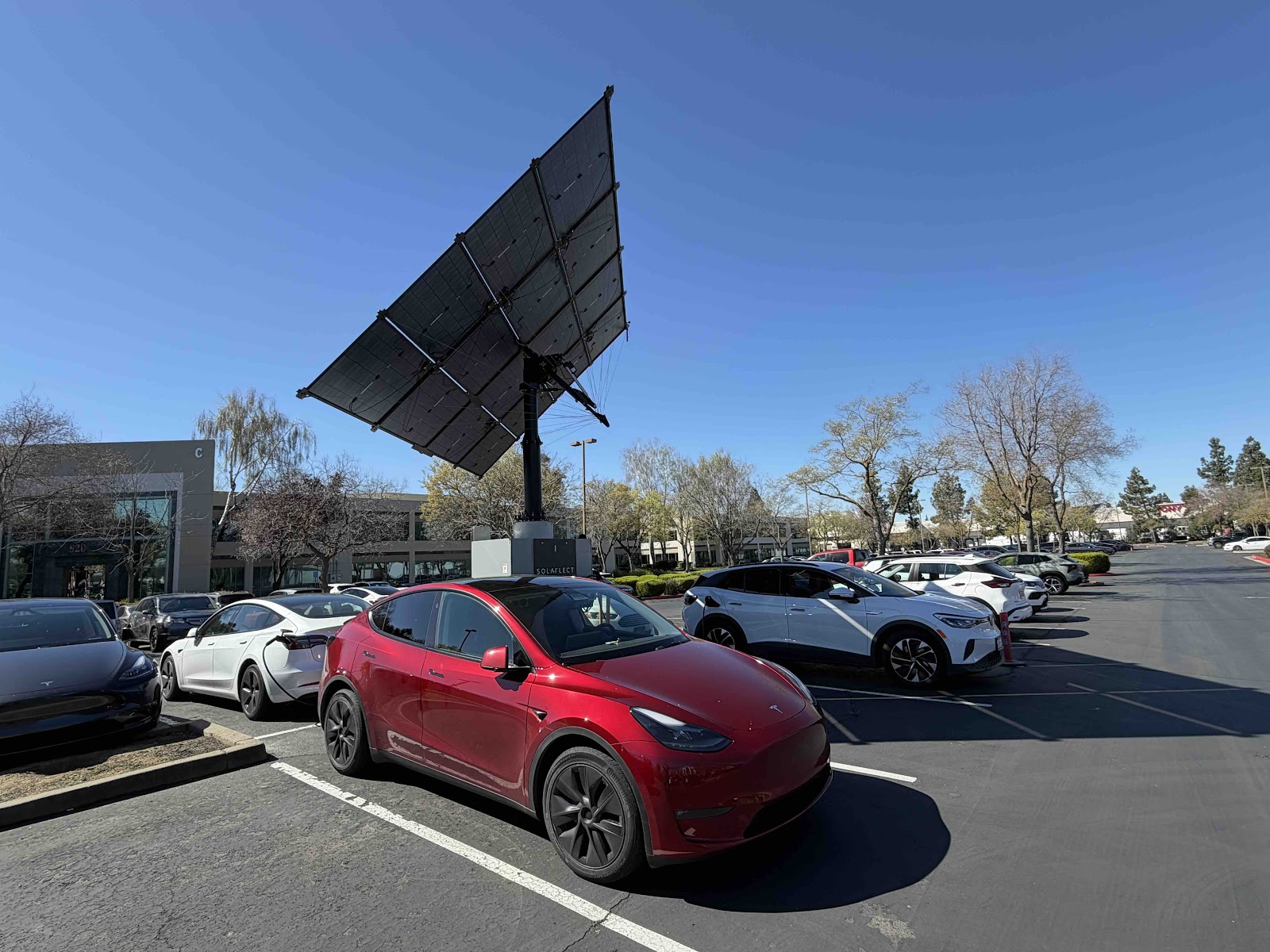
EV charging is part of the same picture. Logistics tenants are looking at fleet electrification, and office tenants increasingly expect workplace charging. Our companion pages on commercial EV charging in West Sacramento and sustainable commercial property management in West Sacramento go deeper on both topics, and Clear Blue Commercial offers an off-grid solar EV charging solution for sites where trenching or utility upgrades are difficult.
Sustainability earns its place in the budget when it lowers operating costs, reduces risk, and keeps tenants.
How We Work
How Clear Blue Commercial Approaches West Sacramento Properties
Our approach is hands-on and practical. We walk the property, talk with the people in it, and build a plan that connects daily operations to long-term value.
01
Walk the Property
We inspect the building and site in person, review systems and deferred maintenance, and meet tenants, so the plan reflects what is actually happening on the ground.
02
Review the Numbers
We look at budgets, leases, vendor contracts, and PG&E and water bills to find where costs are rising and where performance can improve.
03
Build the Operating Plan
We set preventative maintenance schedules, vendor scopes, tenant communication routines, and reporting that gives owners a clear view of performance.
04
Plan Capital and Improve
We map expected capital needs, phase projects to fit the budget, and measure results so each improvement informs the next decision.
Think Long Term
Capital Planning for a Changing City
A good capital plan answers three questions: what will need attention, when, and what it will cost. In West Sacramento, a fourth question matters too: how is the area around the property changing? An industrial building near the freeway may face tenants who want more power, more charging, or more yard space. A building near the riverfront may see demand shift as new housing, restaurants, and public spaces fill in around it.
Coordinating work saves money. If a parking lot is due for resurfacing, that is the time to install conduit for future EV charging. If rooftop HVAC units are near the end of their life, replacement is the moment to right-size and improve efficiency rather than swap like for like. If a roof is being replaced, it may be the right time to evaluate solar. Our article on repair or replace decisions walks through that thinking in more detail.
Small business tenants may also have help available. At the time of writing, the City’s Small Business Accelerator Program lists facade and tenant improvement grants for qualifying small businesses and property owners, with eligibility rules set by the City. Owners and tenants should confirm current availability directly with the City’s Economic Development team.
Good Times to Plan Ahead
Coordinate Capital Work With
- ✓ Lease expirations and renewals
- ✓ Roof, HVAC, or paving replacement cycles
- ✓ Tenant requests for power, charging, or fleet changes
- ✓ Refinancing, appraisal, or a planned sale
- ✓ Changes in the surrounding neighborhood or zoning
Choosing a Partner
What to Look for in a West Sacramento Property Manager
The right manager knows the building and the place. Ask how often they will physically walk the property, who will answer tenant calls, and how vendors are selected and supervised. Ask what monthly reporting looks like and whether it connects operating costs to recommendations. Ask how they approach preventative maintenance, capital planning, and energy and water use, and whether they understand the difference between managing in PG&E territory and SMUD territory.
Clear Blue Commercial is a woman-owned, Certified B Corporation and California Green Business, an approved vendor for the State of California, and a member of 1% for the Planet. We combine property management, facilities management, sustainability consulting, project management, and brokerage, so owners have one partner who sees the whole asset. Our post on questions to ask before you hire a West Sacramento property manager offers a full checklist.
The best property manager is the one who notices the problem before your tenant does.
Owner Questions
West Sacramento Commercial Property Management FAQs
Does Clear Blue Commercial provide property management in West Sacramento?
Yes. Clear Blue Commercial serves the greater Sacramento region, including West Sacramento, with hands-on commercial property and facilities management, sustainability consulting, project management, and brokerage.
What types of commercial properties are common in West Sacramento?
West Sacramento has a large base of industrial, warehouse, and logistics space near I-80, Highway 50, and the Port, along with office buildings that house state agencies and other employers, riverfront mixed-use development in areas like the Bridge District, food and light manufacturing facilities, and neighborhood retail.
Who provides electricity to commercial properties in West Sacramento?
PG&E serves West Sacramento, while most of the City of Sacramento is served by SMUD. That affects rate schedules, efficiency programs, EV charging incentives, and how electrical upgrades are handled, so it is worth confirming programs directly with PG&E when planning work.
How is managing property in West Sacramento different from Sacramento?
The utility, county, flood protection system, and tenant base all differ. West Sacramento is in Yolo County, served by PG&E, protected by its own levee system, and has a heavier concentration of industrial, logistics, and state agency tenants than many Sacramento submarkets.
What does commercial property management cost?
Fees depend on property type, size, complexity, number of tenants, and the scope of services. Our guide to commercial property management costs in Sacramento explains the common fee structures and what is typically included.
Do West Sacramento commercial buildings have energy benchmarking requirements?
California’s Building Energy Benchmarking Program requires owners of commercial buildings over 50,000 square feet to report energy use to the California Energy Commission each year by June 1. Exemptions exist, so confirm your building’s status with the Energy Commission.
Can a property manager help with EV charging at an industrial or office property?
Yes. A good manager can assess tenant demand, electrical capacity, site layout, and incentives, compare grid-connected and off-grid options, and coordinate vendors. Our West Sacramento EV charging page covers the planning process.
How does preventative maintenance protect property value?
Regular inspections and scheduled service catch small issues before they become emergencies, extend equipment life, and keep tenants comfortable and productive. Our article on how preventative maintenance protects commercial property value explains the connection.
Keep Learning
Continue Exploring
More resources for West Sacramento and Sacramento-area property owners.
Sacramento Commercial Property Management
Our regional approach to hands-on, sustainability-minded property management.
Commercial EV Charging in West Sacramento
How West Sacramento owners can plan charging for tenants, visitors, and fleets.
Sustainable Property Management in West Sacramento
Energy, water, and resilience strategies that strengthen performance.
Questions to Ask Before You Hire
A practical checklist for choosing a West Sacramento property manager.
Next Level Property and Facilities Management
Integrated property and facilities management that sees the entire asset.
What Does a Commercial Property Manager Do?
A clear look at the responsibilities behind well-run commercial property.
Put Your West Sacramento Property on a Clear Plan
Whether you own a warehouse near the freeway, an office near the river, or a retail center in Southport, the first step is a clear picture of how the property is performing and what it will need next.
Start with Clear Blue Commercial’s complimentary Sustainable Property ROI Audit Kit, or schedule a property strategy conversation with our team.